
Active Outreach: Email vs. Direct Mail
Email and direct mail remain two of the most underutilized yet effective outreach tools for builders looking to bring in new project opportunities rather than waiting for inbound leads.
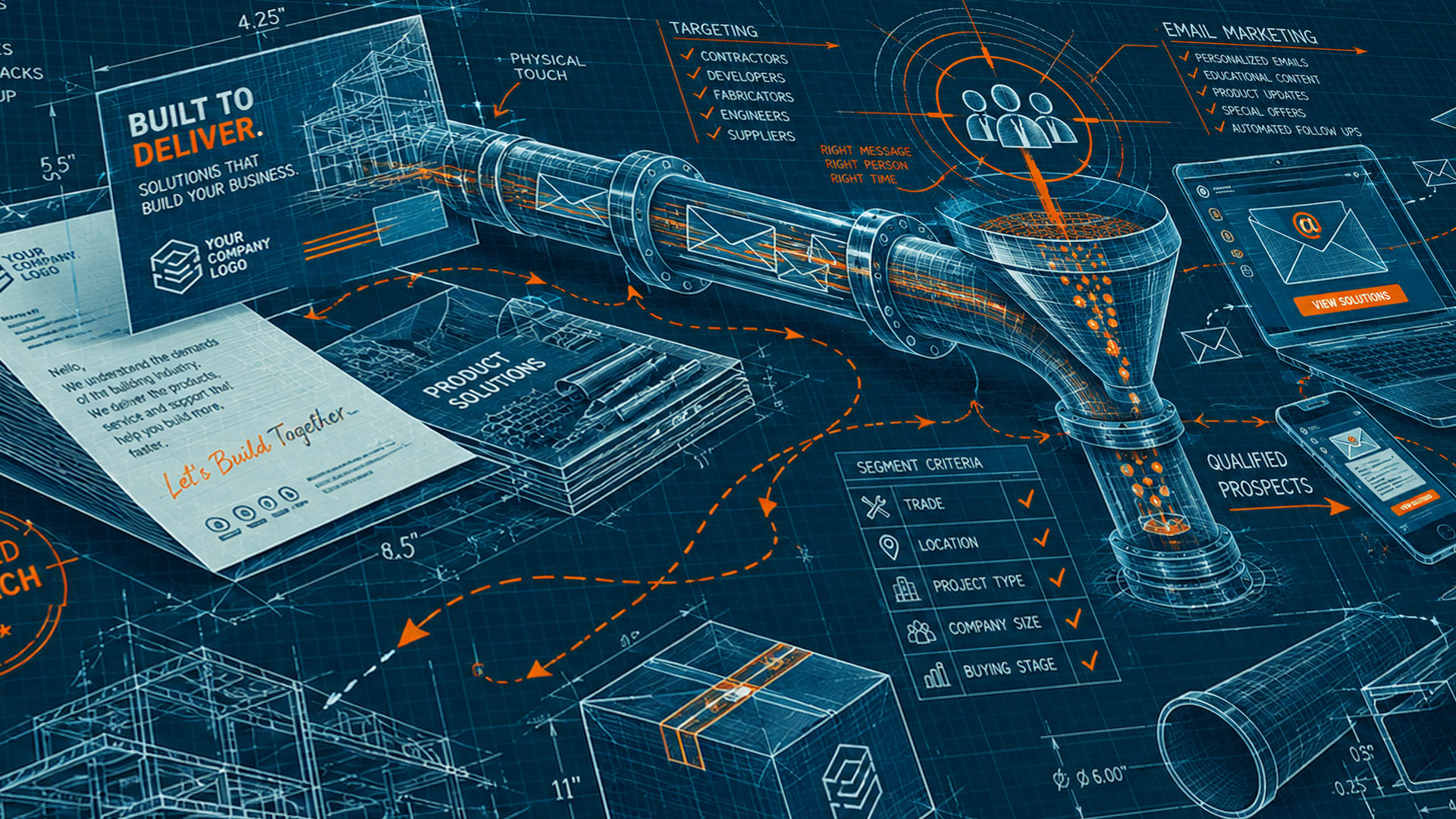
Most builders think of marketing as a passive inbound process. You put up a website, maybe run a digital ad campaign, and wait for the phone to ring. It's a hurry up and wait situation, and when the work slows down it's nearly impossible to predict where the next project is coming from.
At the same time, you probably have a mental list of ideal clients you'd love to work with. The ones who value quality, pay on time, and bring the kind of projects that energize you. If you had a reliable way to get in front of them on a consistent basis, your business would be a lot more profitable and a lot more enjoyable.
Your sales team probably defines outreach as calling on familiar contacts when things get slow or trolling RFP lists for the next opportunity. But that's what everyone else is doing, including your competitors. It keeps you in reaction mode, responding to whatever comes your way rather than pursuing the clients and projects you actually want.
When we develop marketing strategies for building businesses, we always include a couple of age-old tactics most builders have written off. Approached with a real plan and a little patience, they become surprisingly effective channels for getting in front of the exact prospects you want to work with.
What makes direct outreach different from everything else in your marketing plan is that you're in control. You're not waiting for someone to stumble across you on Google. You're not fielding random inquiries that rarely match what you're actually looking for. You're taking the initiative to reach out directly, which sends a powerful signal on its own. It tells a prospect you went out of your way to think of them specifically, and that kind of intentionality still means something in a world where most marketing feels automated and impersonal.
The two outreach tactics worth building into your business development strategy are email and direct mail. And I already know what you're thinking.
Direct mail costs real money, especially when you're committed to sending it consistently over time. And there's nothing quite as deflating as launching an email campaign and getting back nothing but a handful of unsubscribes. But stick with me, because when these are done right they're two of the most effective and underutilized tools available to you if you want to scale and thrive.
Let's break down how each one works, why they still matter more than most people think, and how to do them well.

Email: Master the Magic of the Inbox
Here's the irony of email marketing. Everyone complains about their inbox being flooded with garbage, and yet email remains one of the most effective direct communication tools available to marketers.
Between the explosion of AI-generated spam and inboxes that feel more cluttered than ever, it's easy to see why you may have written it off. Deleting irritating emails is the first thing you do in the morning and while waiting at every stoplight.
But think about it this way. Nearly everyone has an email address, and the decision makers you're trying to reach are checking theirs up to 16 times a day. Each check is a window of opportunity.
When something genuinely useful and relevant from someone who appears to be an expert lands in your prospect's inbox on a regular basis, it becomes familiar. And familiar becomes anticipated. And anticipated becomes trusted.
Here's what makes it such a valuable channel. Unlike a phone call that interrupts or a social post that disappears in the feed, an email sits quietly until they're ready to engage. It's not renting space on a platform that can change its algorithm overnight. It's a direct, owned channel that lets you speak to a specific person rather than shouting into a crowd.
The difference between a spam email and one that actually lands comes down entirely to the message. The mistake most builders make is leading with themselves, sending something that's essentially a list of features and benefits dressed up as a pitch. That's what people delete without reading.
The better approach is to send something your target audience genuinely wants to read. Think about their conflicts, struggles and daily pressures, and write about how you can help resolve them. If you're a materials supplier courting general contractors, don't open with a product push. Share an example of a past project similar to the work your prospect typically handles. Paint a picture of what a great outcome looked like, the kind of result they'd genuinely want for their own projects. Only after you've delivered something useful should you include a clear, low-pressure call to action.
That one shift, leading with value instead of leading with yourself, is what separates a trustworthy email from the spam everyone has learned to ignore.
As for frequency, monthly is a solid starting rhythm. You can be consistent enough to stay top of mind without becoming annoying.

Direct Mail: The Clutter Buster Nobody Expects Anymore
If email feels crowded, direct mail is the opposite. Almost nobody is doing it anymore, which means the few pieces that show up in someone's physical mailbox tend to get noticed.
Direct mail doesn't have to mean a generic postcard. Some of the most effective pieces are a smartly written business letter, a printed case study showcasing relevant work, or an industry insight piece from your own point of view, like a short white paper or a relevant article packaged thoughtfully. The goal is the same as email: lead with something useful and specific that your prospects actually care about, not a sales pitch.
Sometimes the most effective direct mail isn't really about content at all. It's about standing out enough to get noticed in the first place. We call these clutter busters, physical pieces designed to serve as icebreakers with directly targeted prospects.
We once worked with an industrial temporary-labor client whose sales team was trying to break into the logistics market and wasn't getting any traction. After some research, we identified that their target contacts were men in their early thirties with a personality profile that leaned toward pop culture and collectibles. So we built them a direct mail campaign around Legos.
We designed and sent one box with a Lego forklift inside titled "You got equipment," followed by a second box filled with Lego people titled "We got your people." The sales team was delighted to find that their contacts opened right up, having been warmed up by something creative, unexpected, and clearly thought out. It was an investment, but the new business it generated more than justified the cost.
Clutter busters work especially well in account-based marketing, where you're targeting one specific company and reaching multiple people across different departments to build awareness throughout the organization. Think of it as a brand-building play and a way to stay top of mind over time, not a direct lead generation tactic. And for B2B relationships specifically, like an engineering firm targeting general contractors or a materials supplier courting architects, it's one of the most memorable moves you can make.
Letting AI Sharpen Both Channels
Modern technology gives you a real edge over how outreach used to work. AI tools can now monitor behavior on your website or through your CRM and flag patterns worth following up on. If a prospect is repeatedly visiting your project pages or spending real time on a specific service, that's a signal worth acting on while the interest is warm.
Set up a dedicated landing page tied specifically to your outreach campaign, then point both your email and direct mail efforts toward that same page. This gives you a single place to track behavior, see who's engaging, and measure what's actually working. Over time that data tells you which tactics are worth doubling down on and which ones you can quietly retire.
The One Thing That Actually Determines Success
Patience. Which most builders will be the first to admit isn't exactly their strongest suit.
Research consistently shows it takes between seven and nine impressions before someone even registers who you are, let alone considers reaching out. Sending one email or one piece of mail and walking away when nothing happens isn't a failed strategy. It's a strategy that never got a real chance to get traction.
The key is to invest, test, and adjust. Run multiple outreach tactics at the same time, track what's resonating, prune away what isn't, and double down on what's bearing fruit. Don't pull the plug after a slow start. Give the machine a chance to warm up, let it run, and trust it to compound over time.
The right mindset going in is that you're playing a long game with no immediate expectations. Stay consistent, keep delivering value, and let the cumulative effect of repeated, thoughtful touches do its job.
Bringing It All Together
Email and direct mail aren't competing strategies or isolated tactics operating in their own silos. They're complementary tools that work best when paired together, supported by patience, and backed by a clear understanding of how outreach actually functions.
Email gives you a low-cost, owned channel to reach people quietly and consistently. Direct mail gives you a way to physically stand out in a world where almost nobody bothers anymore. Neither one replaces your existing marketing efforts, your SEO, your website, your digital and social advertising. But layered on top of those, active outreach gives you something passive marketing can never deliver: a direct, personal touch that tells a prospect you went out of your way for them specifically.
In an industry where most builders still aren't doing this well, that alone can be the difference that wins you more of the work you actually want.

Written by Rusty George, with almost zero help from Artificial Intelligence. AI may have been consulted, but always overrulled.
Rusty George leads a branding, website design and marketing agency serving construction companies, developers, subcontractors, manufacturers, material fabricators and suppliers. Reach out anytime to discuss setting up a powerful email or direct mail campaign to bring in new project opportunities.
MORE Insights
Unlock the secrets to transforming your construction company into a marketing powerhouse with Louder Builder.
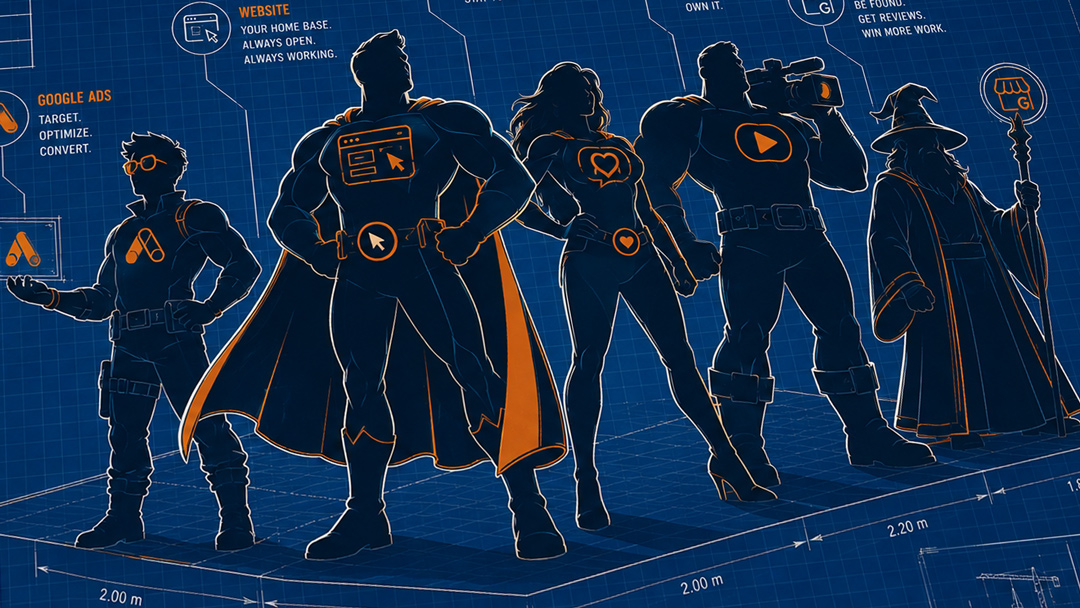
Your Online Visibility Machine
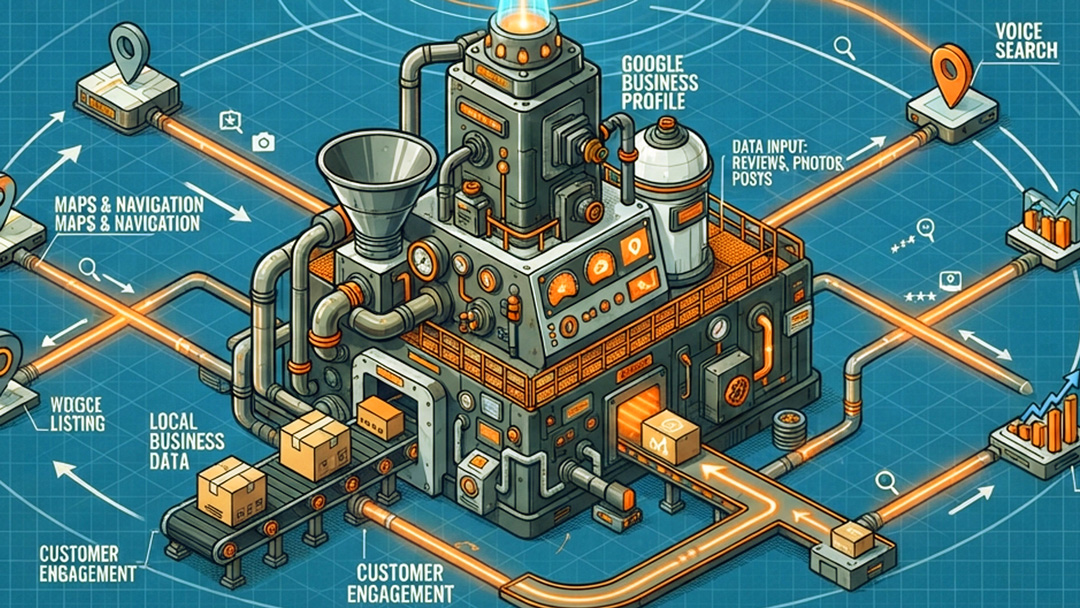
The Google Business Profile
SIGN UP FOR UPDATES
We will send you our latest insights from Louder Builder as they are released.
CONTACT US
Are you ready to begin your project today? Just have a few questions?
Either way, let’s talk.